What to Wear Hiking: A Practical Guide for Every Season
The short answer is that you should dress in three adjustable layers rather than one heavy garment. A moisture-wicking base layer next to your skin, an insulating mid layer you can add or remove, and a wind or rain shell on the outside will cover almost every condition you meet on a trail. Deciding what to wear hiking comes down to managing sweat first and temperature second, because damp clothing is what makes hikers cold, not the air itself. Cotton is the one fabric to leave at home in cool or wet weather.
Below is a season by season breakdown, a temperature guide, and a checklist you can work through before a day hike.
Why Layering Beats a Single Heavy Jacket
Hiking is stop and start. You warm up on a climb, cool down at an overlook, then warm up again. A single thick coat gives you two settings, on and off, and neither matches the middle of a climb.
Layers let you make small corrections. Vent a zip, strip a mid layer at the trailhead, add it back at the summit. Aim to stay slightly cool while moving and comfortably warm while stopped.
The Three Layer System in Brief
- Base layer: sits against the skin and moves moisture away from it.
- Mid layer: traps warm air and holds insulation.
- Outer layer: blocks wind and sheds precipitation.
Not every hike needs all three. A summer walk might be a single shirt. A November ridge walk might need all three plus a spare. For a deeper look at fabric behavior and how the three pieces interact, see “how to choose the best hiking layers”
Base Layers: The Piece That Does the Most Work
Your base layer decides how the rest of the system performs. If it holds sweat, everything above it is fighting a losing battle.
Synthetic base layers, usually polyester or a polyester and spandex blend, move moisture quickly and dry fast. Merino wool moves moisture more slowly but resists odor and stays warmer when damp. Both work. What does not work is cotton, which absorbs many times its weight in water and stays wet for hours.
For warm and moderate conditions, a technical short sleeve shirt is usually enough. The Original OC Performance T-Shirt is built from an 88 percent polyester and 12 percent spandex performance fabric with moisture-wicking construction, which is the category of fabric you want against the skin on a summer hike. If you prefer to compare cuts and colors, the full range of performance T-shirts sits in one place.
Fit Matters More Than People Expect
A base layer needs light skin contact to wick. Too loose and moisture has nowhere to travel. Too tight and it restricts movement and traps heat. Athletic fit without compression is the target for most hikers.
Mid Layers: Where You Store Warmth
The mid layer is your thermostat. Fleece is the reliable default because it insulates while staying breathable and dries reasonably fast. Down packs smaller and weighs less for the warmth it gives, but it loses loft when wet. Synthetic insulation is heavier than down for the same warmth and holds more of its value when damp.
A vest deserves a mention here because it is the most underused piece in a hiker’s kit. It warms your core and leaves your arms free to dump heat, which suits climbing in cold air. The Keystone Puffer Vest uses a 380D nylon shell with a polyurethane coating and 180 GSM polyester fill, so it insulates without the bulk of a full jacket. Note that the product page does not claim it is waterproof, so plan on a shell over it in sustained rain. Other cuts are grouped under insulated vests.
Cotton fleece hoodies belong in a different role. The Dark Canyon Hoodie is a 380 GSM 100 percent cotton fleece with a brushed interior, which makes it a genuinely comfortable camp and car layer for dry conditions. It is not the piece to wear as a working mid layer in rain or heavy sweat, because cotton fleece holds water. Treat it as the thing you pull on after the hike, not during it. Similar weights are collected under outdoor hoodies.
Outer Layers: Wind and Weather
Wind strips heat far faster than still air at the same temperature, which is why a thin shell often makes more difference than a thicker sweater. Your outer layer choice usually comes down to softshell against hardshell.
A softshell or windbreaker breathes well, moves with you, and handles wind and light spray. A hardshell uses a waterproof breathable membrane and taped seams, so it keeps you dry in sustained rain but traps more moisture inside during hard effort. Most three season day hikers are best served by a windbreaker for daily use plus a packable rain shell held in reserve.
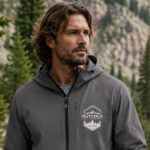
The Spring Tide windbreaker is a 100 percent polyester lightweight full zip with an attached hood and zip pockets, which fits the wind and light weather role. It is not described as waterproof on the product page, so carry a dedicated rain shell if the forecast turns.
What to Wear Hiking in Hot Weather
In heat the priorities flip. You are managing sun exposure and evaporative cooling rather than trapping warmth.
- Long sleeves in light fabric usually beat short sleeves in strong sun, because they shade skin while still breathing.
- Choose loose and light colored over tight and dark.
- A brimmed hat protects the face, ears and neck better than a cap.
- Sunglasses with full UV protection matter more at altitude and near water or snow.
The OC Sun Shirt is a hooded long sleeve built from a 92 percent polyester and 8 percent spandex knit rated UPF 50, which is the shape of garment that works well for exposed trails and open ridgelines. A hood on a sun shirt covers the neck, which is one of the easiest places to burn.
Sunscreen still belongs in the pack for hands, face and any gap between hem and glove.
Mild and Shoulder Season Conditions
Spring and fall swing more than any other time of year. A trailhead at 40 degrees can be 70 degrees by noon and back to 45 by the time you finish.
The practical approach is to start slightly cold. If you feel comfortable in the parking lot, you will be too warm within ten minutes of walking. Pack a light insulating layer and a wind shell, and expect to change clothing two or three times in a day.
Cold Weather Hiking and How to Layer for It
Cold weather hiking is a moisture problem disguised as a temperature problem. The people who get cold are usually the ones who overdressed early, soaked their base layer on the first climb, then stopped moving.
A Working Cold Weather Approach
- Wear a midweight synthetic or merino base layer top and bottom.
- Add a fleece or insulated mid layer that you can remove without taking off your pack.
- Carry a wind or waterproof shell and put it on at rest stops, not just when it rains.
- Keep one dry insulating layer in the pack that never gets worn while moving.
That last point is worth repeating. A dry puffy or fleece reserved for breaks and emergencies is one of the highest value items in a winter pack, and it is only useful if it stays dry.
Extremities need dedicated attention. Fingers and ears lose heat quickly and warn you late. A thin liner glove under a warmer shell glove gives you dexterity for map reading and zippers without full exposure.
Hiking Pants and Bottoms
Hiking pants should stretch, dry quickly and resist abrasion. Nylon and polyester blends with a small percentage of elastane cover most conditions. Denim and cotton chinos are heavy when wet and slow to dry, which makes them a poor choice on anything but a short dry walk.
- Warm and dry: light nylon pants or hiking shorts.
- Cool or buggy: full length pants, ideally with articulated knees.
- Cold: a synthetic or merino base layer bottom under a softshell or insulated pant.
Wet: quick drying pants plus rain pants, rather than heavier trousers.
Footwear and Socks
Footwear is where comfort is won or lost. Trail runners suit dry, well maintained paths and lighter loads. Hiking shoes add support and protection for rockier ground. Boots make sense for heavy packs, rough terrain, ankle support needs, or snow.
Waterproof membranes help in wet grass and shallow crossings, but they also breathe less and take a long time to dry once water gets in over the collar. For hot and dry hiking, non-waterproof footwear often ends up more comfortable.
Socks matter as much as shoes. Choose merino or synthetic hiking socks, match cushion level to your footwear volume, and carry a spare pair on longer days. Cotton socks cause blisters because they hold sweat and lose shape.
Hats, Gloves and Sun Protection
- Warm weather: wide brim or ball cap, sunglasses, sunscreen, sun hoody.
- Cool weather: light beanie, liner gloves, buff or neck gaiter.
- Cold weather: insulated hat that covers ears, insulated gloves or mittens, face covering for wind.
A neck gaiter is the most versatile small item you can carry. It works as sun protection, a dust filter and an ear warmer.
Temperature Based Clothing Guide
| Conditions | Base layer | Mid layer | Outer layer | Extras |
| Above 80 F, sunny | Light short sleeve or sun hoody | None | None while moving | Brimmed hat, sunglasses, sunscreen, extra water |
| 65 to 80 F | Short sleeve technical tee | Packed, not worn | Light wind shell in pack | Cap, sunglasses |
| 45 to 65 F | Long sleeve lightweight | Fleece or vest | Wind shell | Light gloves, buff |
| 30 to 45 F | Midweight synthetic or merino | Fleece plus insulated vest | Wind or rain shell | Beanie, gloves, spare dry layer |
| Below 30 F | Midweight top and bottom | Fleece plus insulated jacket | Shell that blocks wind fully | Insulated hat, mittens, face cover, dry reserve layer |
| Rain at any temperature | Synthetic, never cotton | Synthetic insulation over down | Waterproof shell with hood | Rain pants, pack cover, dry spare in a bag |
Day Hike Clothing Checklist
Run through this before you leave the house. It is built around clothing rather than the full ten essentials, which you should pack separately.
- Moisture-wicking base layer top, no cotton
- Hiking pants or shorts appropriate to season and vegetation
- Insulating mid layer, packed even in summer
- Wind shell or rain shell depending on forecast
- Hiking socks plus one spare pair
- Broken-in footwear matched to terrain
- Hat for sun or warmth, whichever the day calls for
- Gloves in shoulder and winter seasons
- Sunglasses and sunscreen
- Dry change of clothes left in the vehicle
If you are assembling a kit from scratch, the men’s outdoor apparel range is a reasonable place to see how the layers stack together.
Common Clothing and Layering Mistakes
Dressing for the Parking Lot
Starting warm feels good for five minutes and costs you for the rest of the day. Begin slightly cool.
Wearing Cotton in Cool or Wet Conditions
Cotton holds moisture against the skin and pulls heat out of you. Save cotton pieces for dry camp and travel days.
Carrying Only One Warm Option
If your only insulating layer gets soaked, you have no plan B. One dry reserve layer changes the math on a bad day.
Ignoring Wind
People pack for temperature and forget wind. A four ounce shell can be the difference between comfortable and miserable on an exposed ridge.
Buying Boots Too Late
New footwear on a long hike is a blister guarantee. Break footwear in on short walks first.
Overpacking Clothing
Three mid layers you never wear is dead weight. One versatile insulating piece and one shell handles more situations than a pile of near duplicates.
Matching Clothing to the Trail You Are Hiking
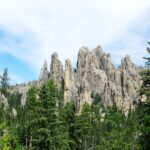
Terrain changes the answer. Exposed prairie and open ridgelines put wind and sun first. Forested canyon trails hold moisture and cool air, so a shell earns its place even in summer. High elevation means faster weather changes and a stronger case for a dry reserve layer. If you are “planning a Black Hills hiking trip” expect afternoon thunderstorms in summer and pack the shell regardless of the morning forecast.
Always check the current forecast and any land manager alerts for the specific area you are visiting, since conditions in mountain and canyon terrain differ sharply from the nearest town.
Final Thoughts on What to Wear Hiking
Deciding what to wear hiking gets simpler once you stop thinking about outfits and start thinking about a system. Keep sweat moving away from your skin, keep one insulating layer you can add and remove easily, and keep wind and rain off the outside. Do that consistently and you will be comfortable across a wider range of conditions than any single expensive garment can cover.
Start with a base layer that actually wicks, add insulation you can shed, and carry a shell you can pull out fast. When you are ready to fill the gaps in your kit, you can browse the full Out Cold Outdoors range and build the system piece by piece.
Frequently Asked Questions
What should I wear on my first day hike?
A synthetic or merino short sleeve shirt, quick drying pants or shorts, hiking socks, comfortable trail shoes, and a light insulating layer plus a wind shell in your pack. Avoid cotton anywhere in that list except socks you are not hiking in.
Can I hike in jeans?
On a short, dry, warm walk you will be fine. On anything longer, jeans chafe, restrict movement, and stay wet for hours once they soak through, which makes them a poor choice in cool or wet weather.
How many layers do I need for cold weather hiking?
Three worn layers plus one dry reserve layer in the pack covers most winter day hikes. That means a midweight base, an insulating mid layer, a wind or waterproof shell, and a spare insulated piece that never gets sweated in.
Is a softshell or a hardshell better for hiking?
A softshell breathes better and suits wind, light drizzle and high output effort. A hardshell keeps you dry in sustained rain but traps more internal moisture. Many hikers carry a softshell for daily use and a packable hardshell for storms.
Do I need waterproof hiking boots?
Not always. Waterproof footwear helps in wet grass, mud and snow, but it breathes less and dries slowly once water gets in over the top. For hot, dry hiking, non-waterproof shoes are often more comfortable.
Editorial Sources
- Product specifications verified against live Out Cold Outdoors product pages, retrieved September 2, 2026: OC Sun Shirt, Original OC Performance T-Shirt, Spring Tide, Keystone Puffer Vest, Dark Canyon Hoodie.
- Black Hills National Forest, USDA Forest Service, recreation and alerts pages: https://www.fs.usda.gov/r02/blackhills
- South Dakota Game, Fish and Parks, Black Elk Peak trail information sheet: https://gfp.sd.gov/userdocs/black-elk-peak2018.pdf
Editor note: seasonal temperature ranges in this article are general guidance rather than regulatory or location specific information. Weather, wind chill and trail conditions should be verified against the current forecast and the managing agency’s alerts page before publication of any location specific advice.